
Celery Flats Rewrites Its Story, One Tree at a Time |
Portage's Celery Flats rises from tornado devastation with innovative Library of Trees project, combining citizen science and reforestation efforts. |
Something remarkable is emerging from the wreckage at Celery Flats.
Just 18 months after a devastating tornado stripped away most of the canopy at Portage's historic park, a grassroots movement has taken root that's turning ecological disaster into opportunity.
What started as emergency tree replacement has evolved into something locals are calling the Library of Trees — an ambitious cataloging project that's transforming how the community thinks about its green spaces.
The transformation began quietly in late 2024, as volunteers and city staff worked to understand which mature trees had survived the May tornado that devastated Celery Flats Historical Area.
Rather than simply replanting, a group of naturalists started mapping and tagging the survivors — creating a living archive of genetic resilience and climate adaptation that could guide restoration efforts.
Annie Pryor, recreation program manager for the city, said the approach grew organically from conversations with longtime park visitors who noticed subtle changes in which species were thriving.
"These trees are telling us stories about soil health, temperature shifts, and pest resistance," she explained during a recent tour of the recovery efforts.
The citizen science project has gained momentum as Portage moves forward with its largest reforestation effort in city history.
Through a combination of state grants and community fundraising, the city will plant 250 new trees this fall — 200 at Celery Flats and 50 at nearby Lexington Green Park.
But this isn't random replanting.
Each new tree is being selected based on data collected through the Library of Trees initiative, ensuring the right species go in the right locations for maximum survival and ecological benefit.
Twin Lakes Nursery will handle the professional planting under a $182,500 contract, with $150,000 coming from Michigan Department of Natural Resources grants.
Meanwhile, community volunteers continue adding to their living database through weekend mapping sessions and the popular "Leaf-A-Legacy" tree donation program.
Recent community planting events have drawn families who describe the work as both therapeutic and educational.
"It's like we're rebuilding the park's memory," said one volunteer during October's community planting day.
The Library of Trees concept represents a shift from traditional park restoration toward something more sophisticated — using data to create resilient urban forests that can weather future storms.
City officials estimate full restoration will take decades, but early results suggest the new approach is already paying dividends.
Native species selected through the program show higher survival rates than previous random plantings, according to preliminary tracking data.
For visitors walking the Portage Creek Bicentennial Park Trail this winter, the changes are subtle but encouraging.
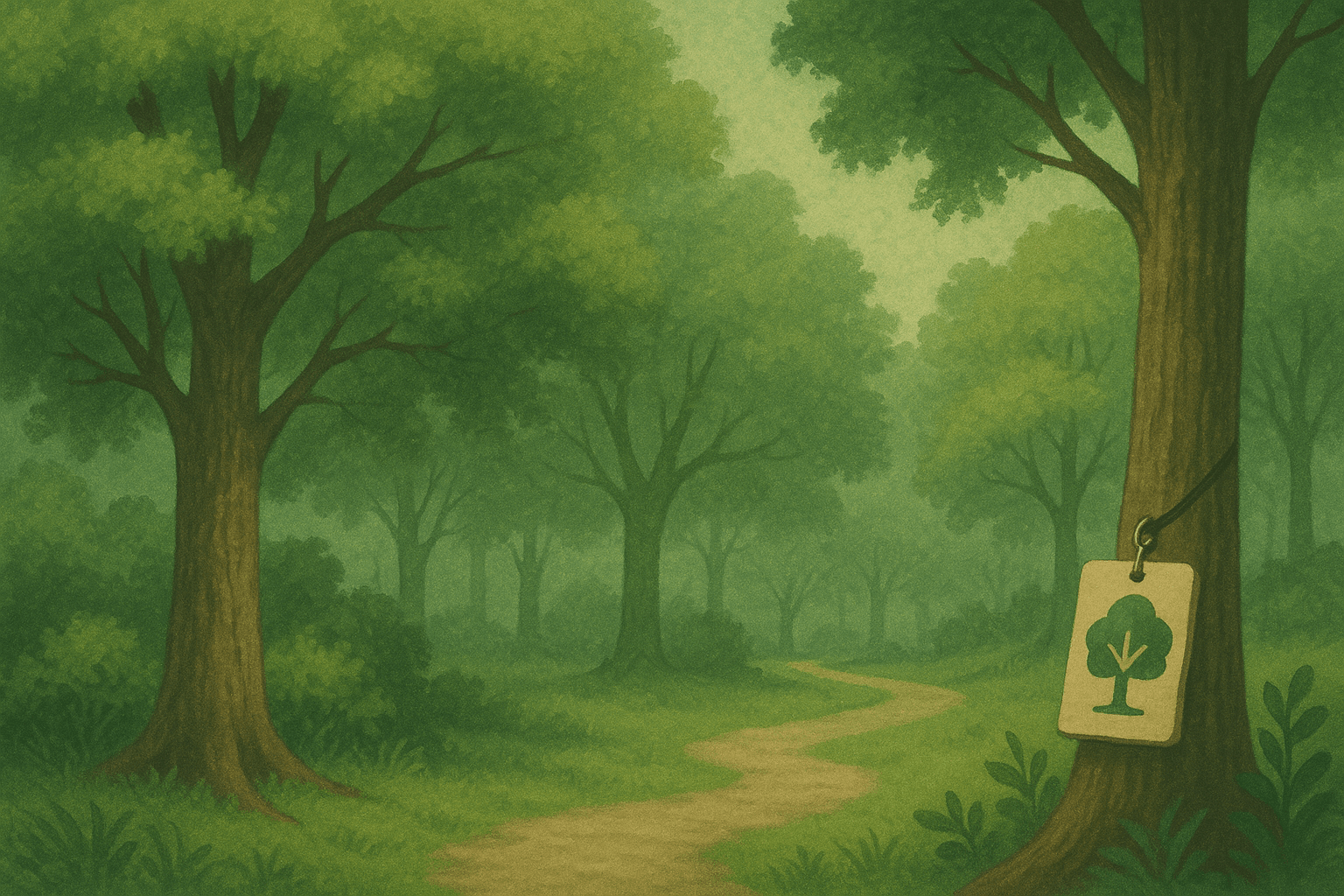
Small tags and QR codes mark significant specimens, while new saplings dot previously barren areas where towering oaks once stood.
The project has caught attention from other Michigan communities dealing with similar storm damage, with several cities requesting information about Portage's data-driven approach.
As restoration continues into 2025, the Library of Trees will expand beyond Celery Flats to other city parks, creating a comprehensive urban forestry database.
"We're not just replanting what was lost," Pryor noted.
"We're building something better — a forest that can adapt and thrive no matter what nature throws at us next." |
0 Comments
Join the conversation
Be the first to comment
Share your thoughts above.